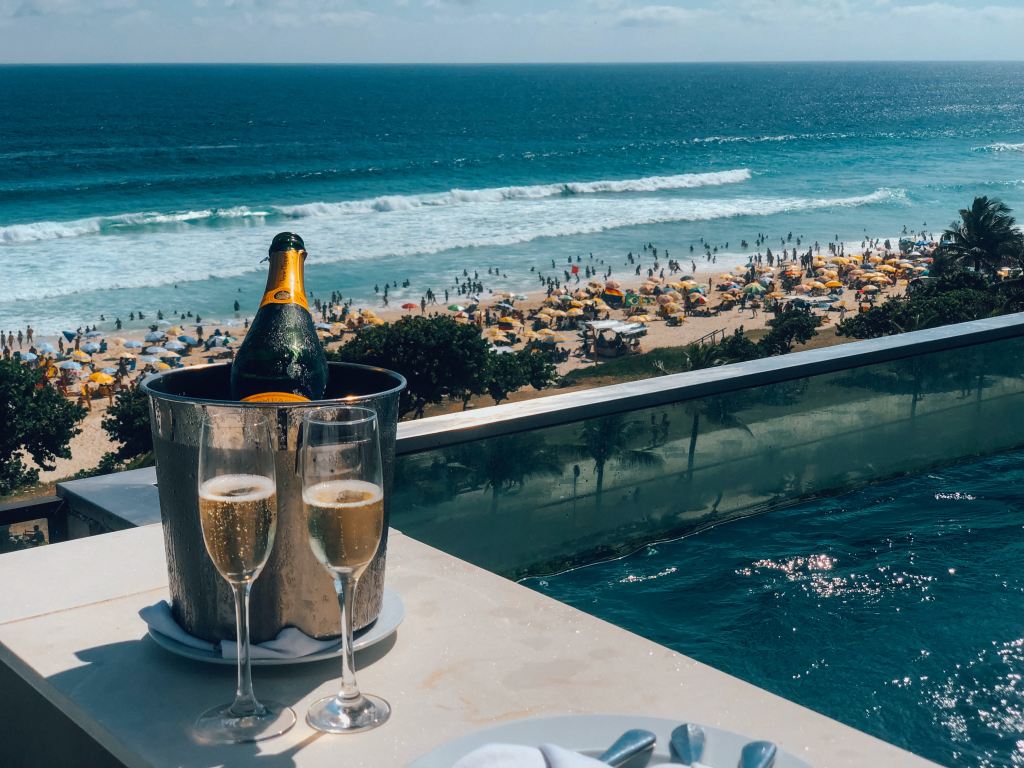
Champagne is a type of sparkling wine with a reputation for its lively bubbles and its close ties to celebrations. This unique beverage finds its origins in the Champagne region of France, where it is meticulously produced using precise techniques and specific grape varieties. Its opulent character has enamoured individuals worldwide, but within its mystique lie various misunderstandings and false beliefs that sometimes obscure the genuine qualities that define Champagne. Through the course of this article, we will meticulously dispel these misconceptions, illuminating the true essence that sets Champagne apart.
Myth #1: Champagne’s Price Dictates Its Quality
The notion that Champagne’s quality is solely determined by its cost is a prevalent fallacy that needs debunking. While there are indeed premium Champagnes associated with higher price points, the realm of Champagne encompasses a broad range of offerings suited to various budgets.
In truth, there exists a plethora of finely crafted and delightful Champagnes available at more approachable price levels. These selections, referred to as “non-vintage” Champagnes, are artfully blended from different vintages and grape varieties to maintain a consistent house style. They encapsulate the essence of the Champagne terroir without the added expense linked to extended ageing and scarcity.
Furthermore, advancements in production methodologies and the emergence of innovative winemakers have democratised access to affordable yet exceptional Champagnes. These alternatives provide an authentic encounter with Champagne’s characteristic effervescence, refinement, and allure, all without imposing a strain on one’s finances.
It’s imperative to recognise that Champagne’s worth transcends its price tag. Whether shared with dear ones or relished during a solitary moment of indulgence, the experience it offers remains invaluable, irrespective of the monetary outlay. In essence, the myth that Champagne’s quality hinges solely on its cost is shattered by the wide array of options tailored to diverse tastes and financial considerations.
Myth #2: Strictly Serving Champagne Cold Enhances the Experience
The prevailing misconception that Champagne’s optimal service lies exclusively in its frigid presentation disregards the intricate interplay between temperature and the wine’s intricate qualities. While cooling Champagne is pivotal to upholding its effervescence, excessively low temperatures can obscure its nuanced attributes, diminishing the holistic sensory journey.
Champagne’s intricate attributes unfurl and mature as it gradually warms within the glass. Excessively chilly conditions, however, can repress these subtleties, depriving you of the chance to fully fathom the wine’s multifaceted character. To genuinely relish Champagne’s intricate aromas and flavour profile, it’s recommended to allow the bottle a brief interval in an ice bucket, typically around 15-20 minutes, before serving.
For most non-vintage Champagnes, an ideal serving temperature hovers at approximately 45-50°F (7-10°C), while vintage Champagnes or those possessing more pronounced flavour dimensions may be best enjoyed slightly warmer, around 50-55°F (10-13°C). This temperature range permits the wine to unfold its layers of fruity, floral, and mineral notes in their entirety.
In essence, although the allure of a chilled glass of Champagne is undeniable, excessively low temperatures might curtail the chance to fully embrace the diverse symphony of aromas and flavours. Striking the right equilibrium in temperature offers the avenue to immerse in Champagne’s true essence and to acknowledge the meticulous artistry encapsulated within each bottle.
Myth #3: Limiting Champagne to Exclusive Celebrations
The notion that Champagne exclusively aligns with grand celebrations perpetuates a view that neglects the wine’s adaptability and potential for everyday enjoyment. While Champagne certainly radiates on special occasions, its diverse character and versatility make it an appealing choice for a wide array of scenarios.
Champagne’s array of styles, spanning from dry Brut to the luscious Demi-Sec, accommodates different tastes and culinary pairings. Its dynamic acidity, effervescence, and intricate flavours render it suitable not only for celebrations but also for enriching day-to-day experiences.
Pairing Champagne with various cuisines underscores its gastronomic flexibility. Its effervescence and acidity act as palate cleansers, rendering it a splendid complement to seafood, creamy cheeses, fried delights, and even spicy dishes. Here are some other dishes to pair with Champagne.
Moreover, relishing Champagne needn’t be confined to grand events. A serene evening at home, a leisurely brunch, or personal achievements all warrant a celebratory Champagne moment. By embracing Champagne beyond exclusive occasions, you infuse everyday life with a touch of sophistication and joy.
In unravelling the fabric of Champagne myths, we’ve illuminated its genuine nature. Beyond misconceptions, Champagne thrives as a versatile delight. From pricing to serving temperature and occasion, reality contrasts with fiction. Champagne’s allure emanates from its accessibility and ability to elevate daily moments.
 Site Title