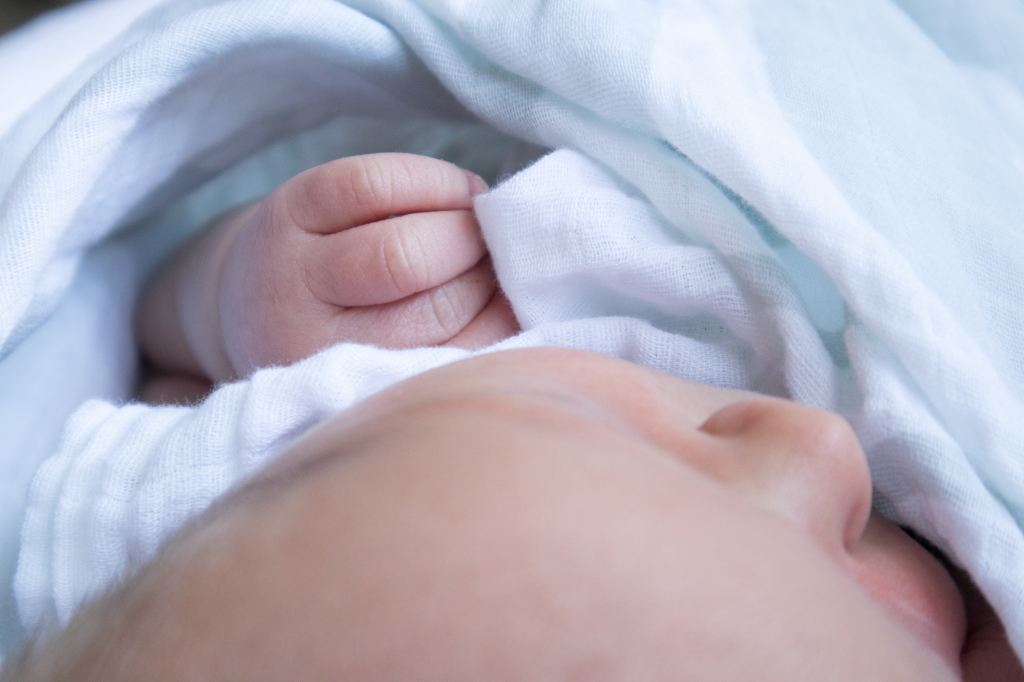
The dos and don’ts of swaddling can seem like a tricky path to navigate for new parents. Fear not; with a little understanding of the basics, mastering this ancient practice is easy!
You see, mastering this ancient practice is all about understanding the fundamentals. Once you comprehend the basics, it will come naturally. No more tossing and turning in the night, questioning if your infant is too hot or cold. No more worries about whether they’re comfortable or secure in their blanket.
With our guide on the dos and don’ts of swaddling, we promise to make things easier for both you and your baby! Let’s dive right into these expert tips.
The Importance of Safe Swaddling
Swaddling is a key factor in providing secure sleep for babies, creating an atmosphere that resembles the security and comfort of their mother’s womb. Creating a secure, cosy atmosphere that mirrors the feeling of safety and contentment they experienced inside their mum’s womb is key when it comes to safe sleep.
Understanding the Role of Swaddling in Baby Sleep
Properly executed swaddling technique provides your little one with a snug fit around their chest and arms – this is crucial for effective swaddling. A well-swaddled baby experiences fewer startle reflexes, which could disrupt their peaceful slumber.
Beyond simply comforting them, this practice promotes longer periods of uninterrupted sleep. The reduced spontaneous movements or ‘startle reflexes’ contribute significantly towards ensuring restful nights for both you and your infant.
Sudden Infant Death Syndrome (SIDS) and Safe Sleep Practices
Inadequate swaddle blankets or improper techniques can inadvertently increase risk factors associated with Sudden Infant Death Syndrome (SIDS). Properly wrapping your newborn minimises these risks, making each naptime safer than before.
Safe to Sleep guidelines, widely recognised by health organisations worldwide, suggest specific methods for secure swaddling that facilitate healthy airflow around the baby’s body. Adhering to these practices ensures not only comfortable but also hazard-free sleeping sessions for your precious bundle of joy.
Choosing the Right Swaddle Blanket
The art of selecting the perfect swaddle blanket or wearable blankets for your newborn should not be underestimated. A sleep sack that fits snugly but comfortably, providing effective and safe swaddling, can make all the difference.
Features to Consider When Buying a Swaddle Blanket
Fabric type is one factor that significantly impacts both comfort and safety when it comes to swaddling blankets. Organic materials like cotton are not only soft on the baby’s skin but also breathable and free from harmful chemicals. Plus, they’re incredibly durable – ideal for those who plan on long-term use.
Size is also crucial when choosing wearable blankets. The right size will allow you to securely wrap your little bundle of joy without excessively limiting their movements.
Fabric Type: Why Does it Matter?
Cotton fabrics have an uncanny ability to provide warmth while remaining lightweight enough not to overheat your sleeping angel. They’re gentle against delicate skin, making them fantastic for babies with sensitive skin or allergies.
The Importance of Size in Wearable Blankets
A well-fitted sleep sack guarantees optimal safety by reducing the risks associated with loose bedding in the crib while maintaining optimum comfort levels during slumber time. Remember – ‘snug’ doesn’t mean ‘tight’. There should be room within the blanket to loosely wrap around your child’s chest, preventing breathing restrictions while keeping their arms from flailing about and causing wakefulness.
When Should You Stop Swaddling Your Baby?
Babies often find comfort in the cosy confines of their wrap. However, there comes a time when this cocoon-like environment is no longer suitable – typically once they begin rolling over on their own or consistently attempting to free their arms.
This transition is crucial because loose blankets can pose an increased SIDS risk if babies cannot move freely during sleep. Therefore, maintaining a balance between secure wrapping and allowing movement becomes vital for your sleeping baby’s safety. This NHS resource provides more detailed information about reducing SIDS risks associated with swaddling.
How To Recognise Overheating Signs In Your Wrapped Baby?
Newborns have sensitive body temperature regulation systems, which makes them prone to overheating while wrapped too tightly. As parents or caregivers, we must be vigilant about recognising early symptoms like flushed cheeks or rapid breathing that may suggest overheating.
If these signs appear alongside restlessness or damp hair on the infant’s head, it could indicate discomfort due to heat buildup under the wraps. At such times, immediate action should be taken – loosen the wrap and allow him/her to cool down naturally before re-swaddling at a comfortable temperature level.
Potential Risks And Precautions
Swaddling, while comforting for babies, does carry potential risks if not done correctly. Missteps in the wrapping technique can lead to conditions like hip dysplasia and heat rash.
Understanding Hip Dysplasia Risk With Incorrect Wrapping
Hip dysplasia is a developmental issue that could arise from incorrect swaddling methods. This condition affects an infant’s hip joint due to improper leg positioning during swaddling.
If you wrap your baby too tightly with their legs straightened out, it might interfere with natural hip development. It’s one of the risk factors associated with traditional swaddle wraps.
To reduce this risk factor significantly, ensure there’s enough room at the bottom of your wrap for your baby’s legs to bend up and outwards naturally. A helpful tip would be ensuring two fingers fit between their thighs and fabric when wrapped.
Risks Of Heat Rash From Swaddling
Babies have delicate skin prone to irritations such as heat rash if they become overheated due to inappropriate clothing material or excessive layers used in wrapping them up snugly.
Avoid synthetic fabrics, which trap heat easily. Instead, choose breathable organic cotton wraps that help regulate temperature effectively, reducing this particular risk factor substantially.
Conclusion
Understanding the dos and don’ts of swaddling is crucial for the safety of your baby. It all begins with recognising the benefits and potential risks associated with this age-old practice.
Choosing an organic and comfortable swaddle blanket can make a significant difference as well. The right technique can help your little one sleep better while reducing their startle reflex. Avoiding common pitfalls such as using loose blankets or incorrect positioning can help mitigate the risk factors for Sudden Infant Death Syndrome (SIDS).
In conclusion, when swaddling is done correctly using safe materials and techniques, it offers numerous benefits for both you and your baby.
 Site Title